
AI Agents for Ecommerce: Which Jobs They Can Actually Finish
Choose AI agents across eight ecommerce workflows, compare recent changes and costs for the same workload, and use practical trials to prepare for 2027.
Find tools and resources for customer support, product content, marketing, analytics, inventory and fulfillment.
Start with the job you need done, then choose a prompt, reusable skill or SaaS tool based on the data access, setup and review the work requires. Explore the workflows below or describe your task to the matcher.
Start with the work you need to improve. Browse eight ecommerce workflows to find relevant AI tools, reusable skills and prompts, then check each resource's capabilities, requirements and limits.
Start with delivery questions, product descriptions or restocking, then choose AI tools, skills or prompts. Check system integrations, actions, plans and subscription, usage and setup costs. Distinguish read access from order changes; set human approvals and exception handoffs. Run a small trial of routine and unusual cases. Compare time, accuracy, human effort and total cost; expand when results meet your needs.
Skills and SaaS tools each list their top 10 pages by recent Google Search clicks, with impressions breaking ties. Prompts follow the catalog’s recommended order.
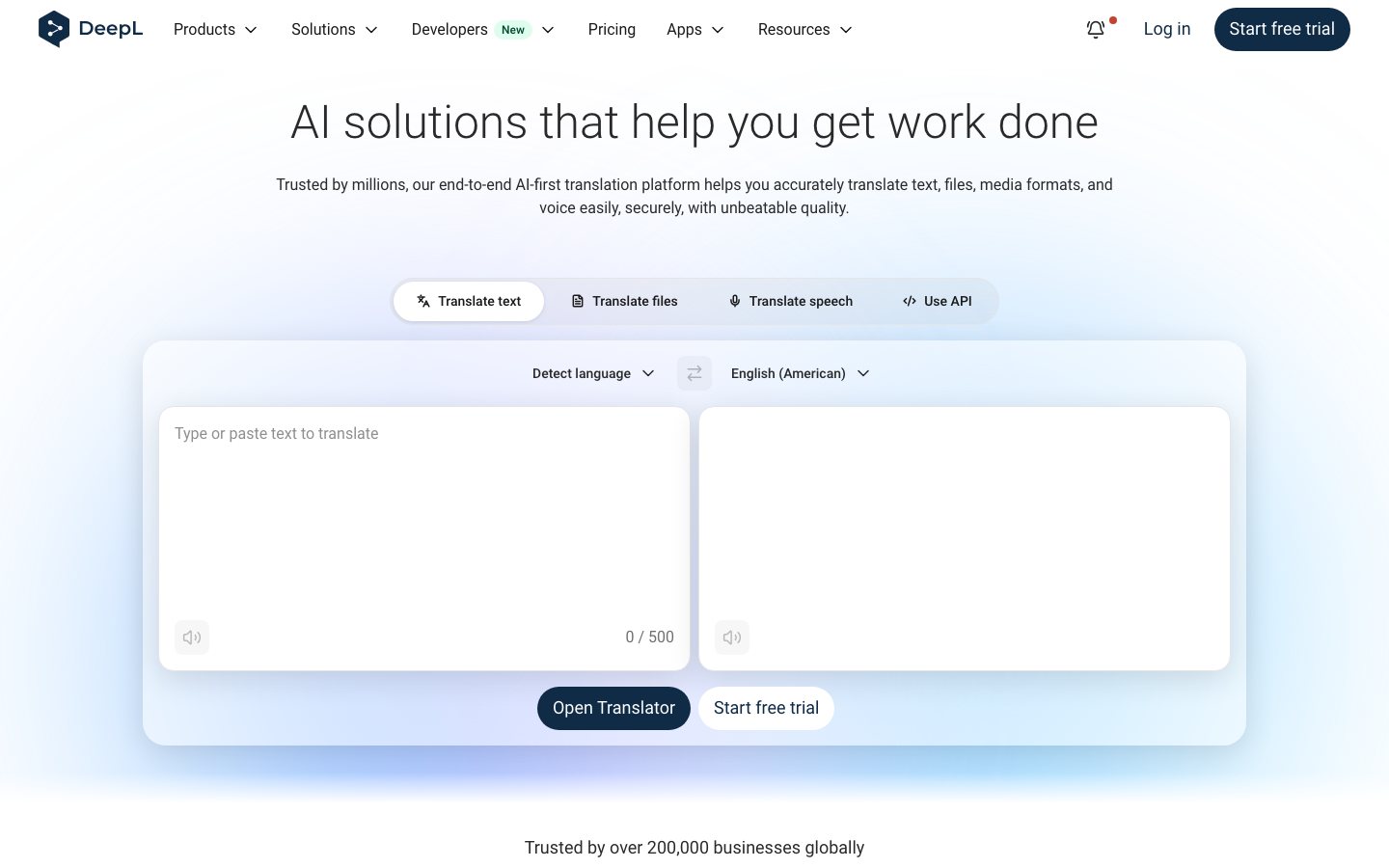
DeepL is a language AI suite with four current products: Translator for text and media, Write for writing improvement, Voice for real-time speech translation, and API for embedded language workflows.
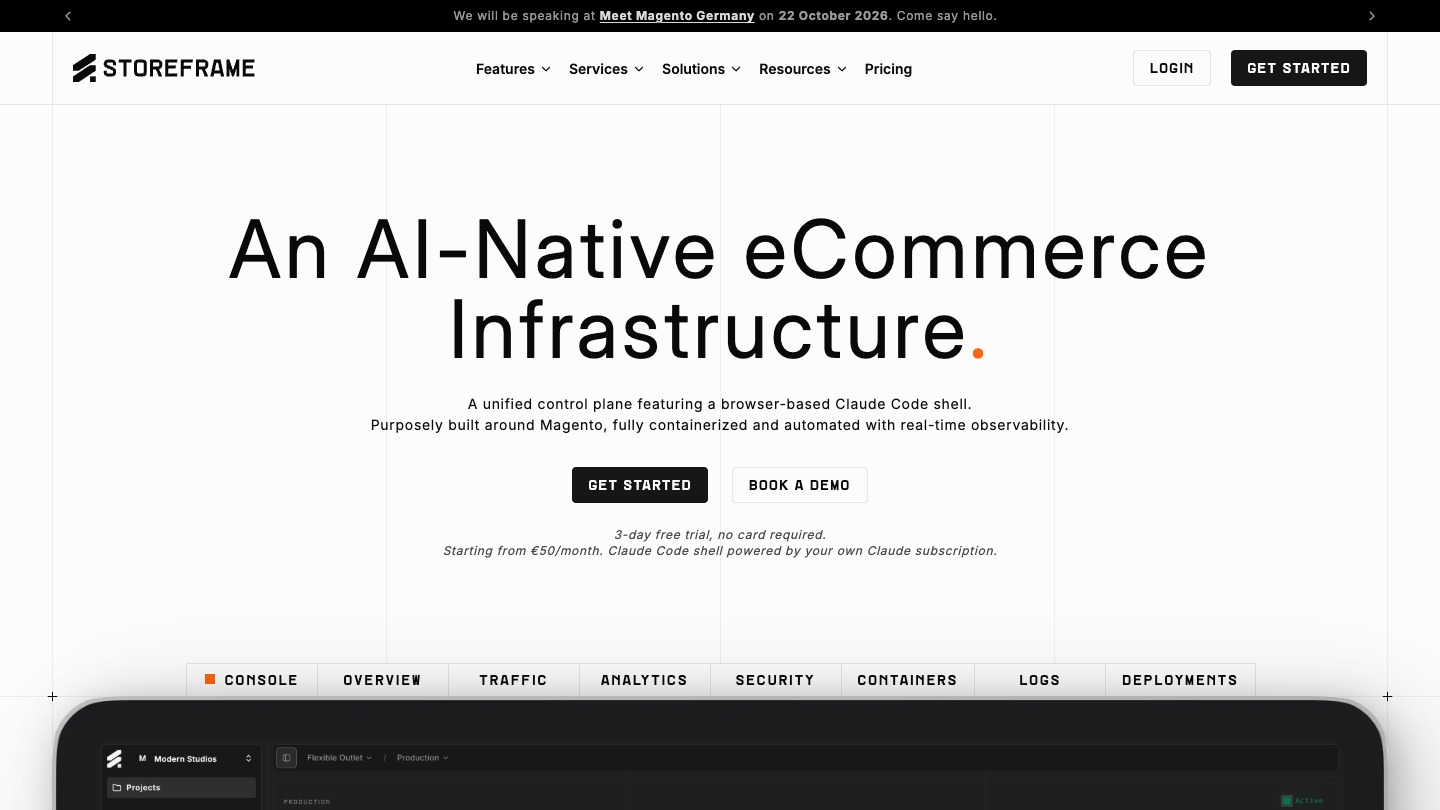
StoreFrame helps teams running Magento or Mage-OS stores manage website updates, backups and server health from one workspace.
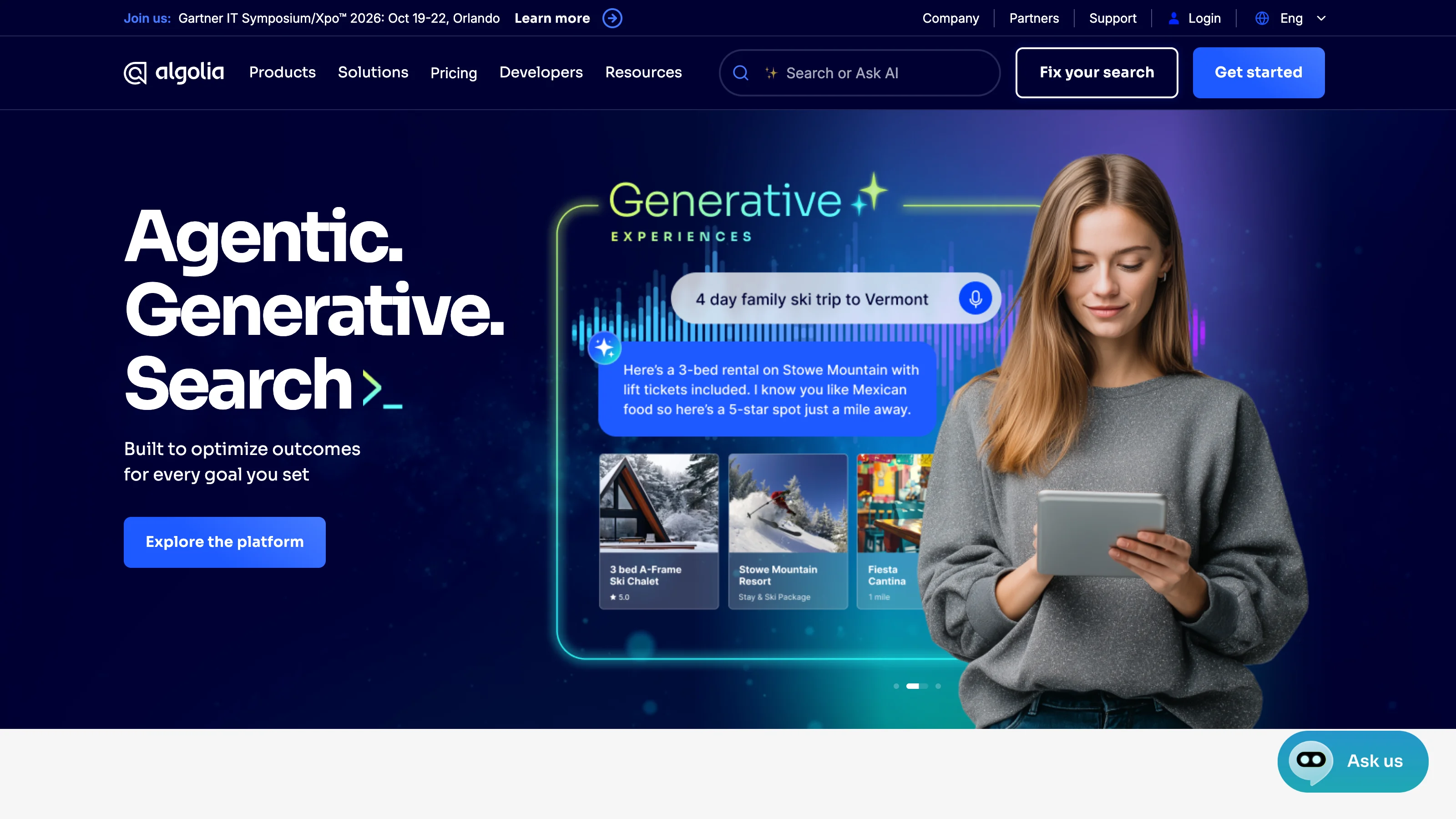
Algolia helps ecommerce teams deliver product search, recommendations, and merchandising.
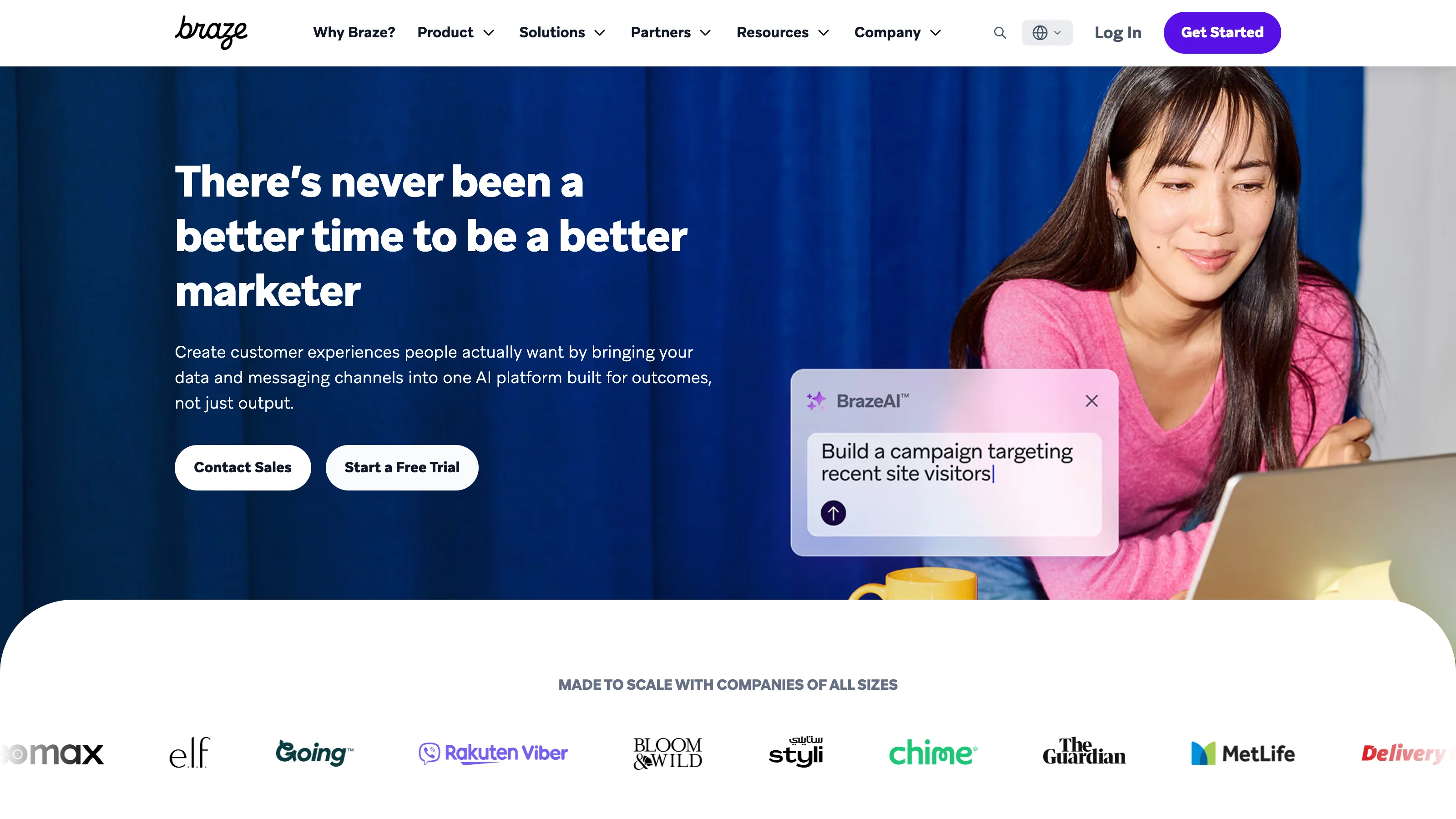
BrazeAI helps marketing teams create campaigns and choose content, channels and send times for individual customers.
Copy.ai has evolved from a library of writing templates into a go-to-market AI platform for chat and multi-step workflows across marketing, sales, operations, and customer success.
Fypro is an end-to-end monetization engine for TikTok creators.
ZeroBG is an online photo editor that helps sellers remove product backgrounds, fix edges and prepare images for product listings.
Fypzo is an AI short-video tool that helps online sellers turn a reference video into a shooting script or a video for their own product.
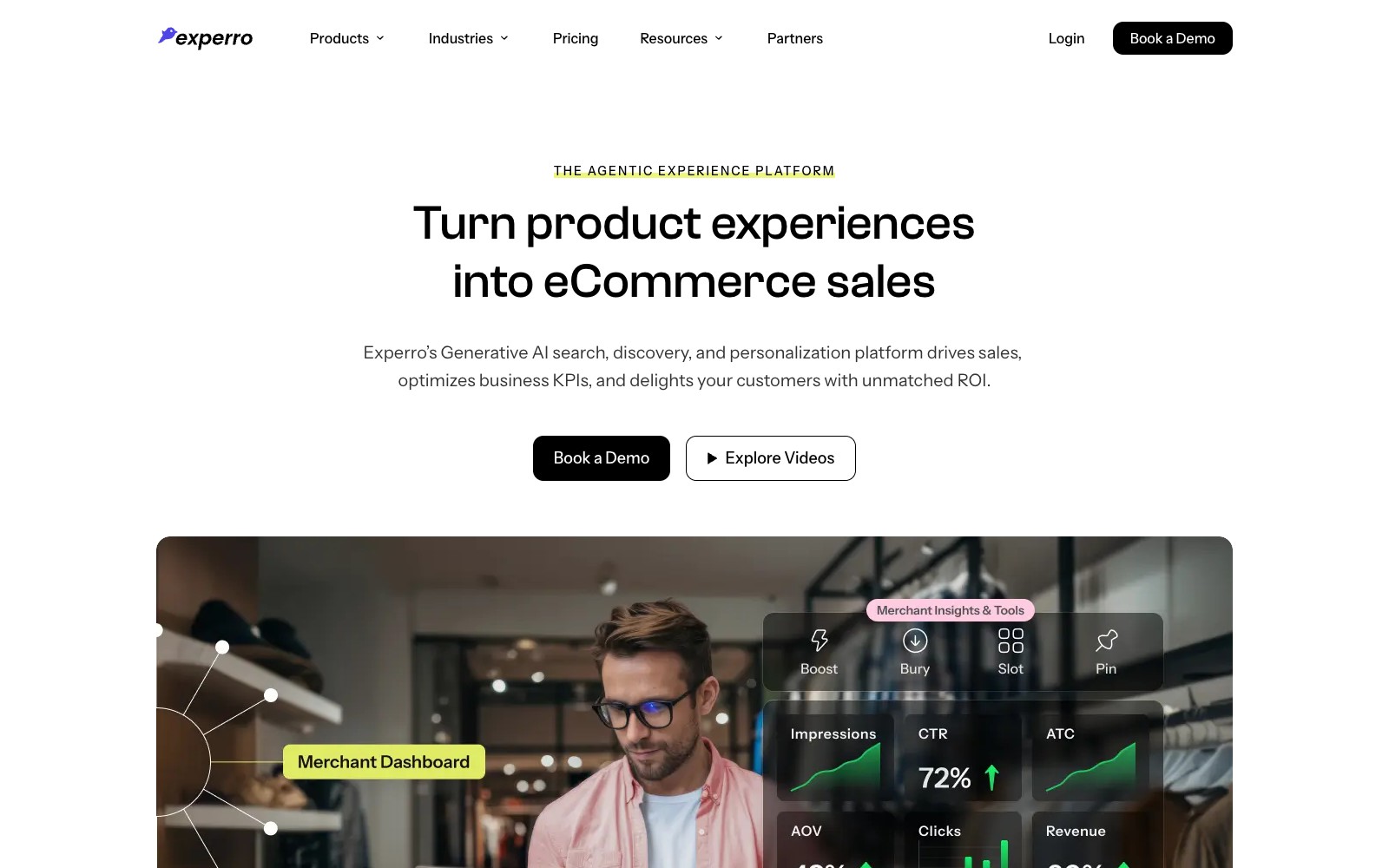
Experro is an AI product-discovery platform that helps ecommerce teams guide shoppers to relevant products.
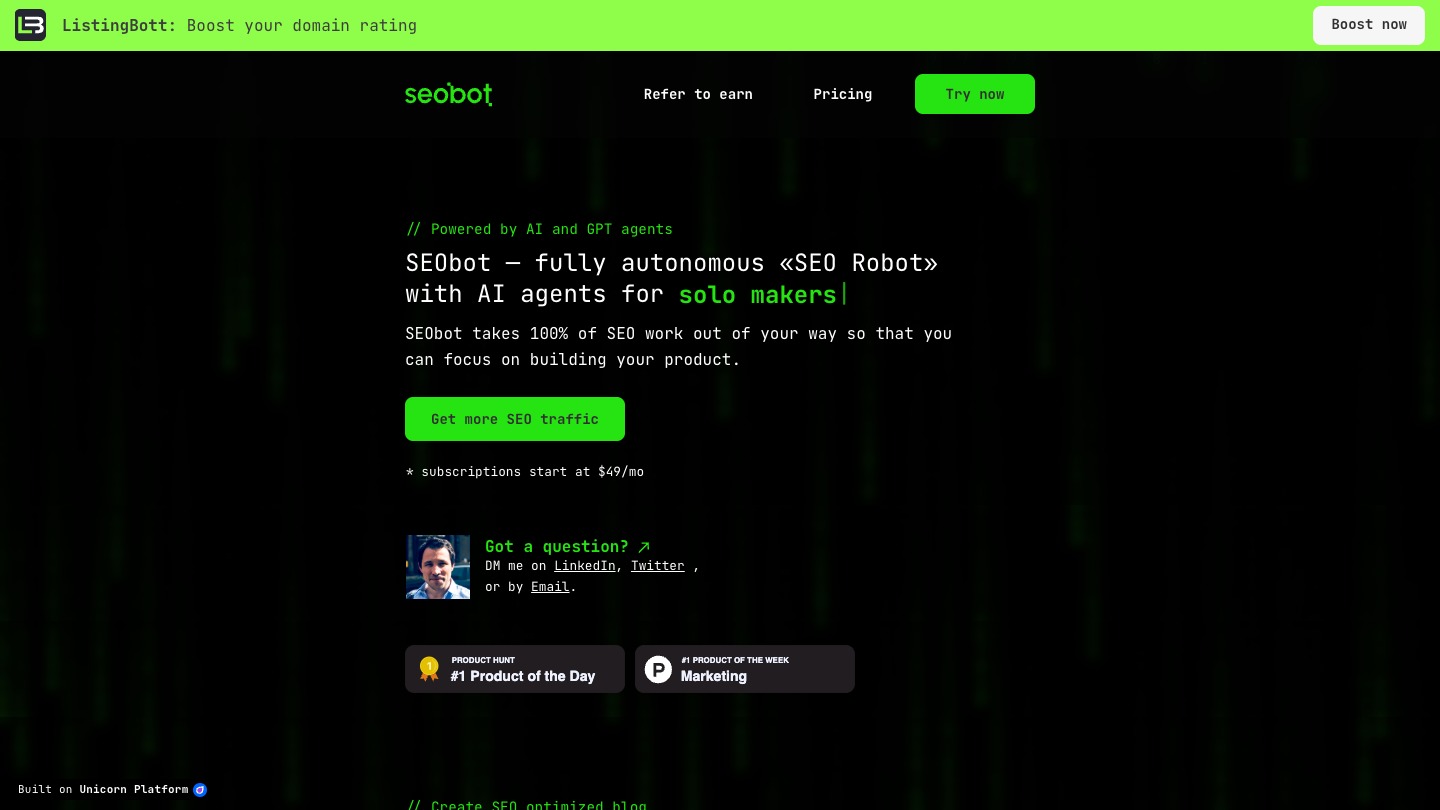
SEObot is an AI SEO service that prepares a store’s blog content for shoppers researching its products.
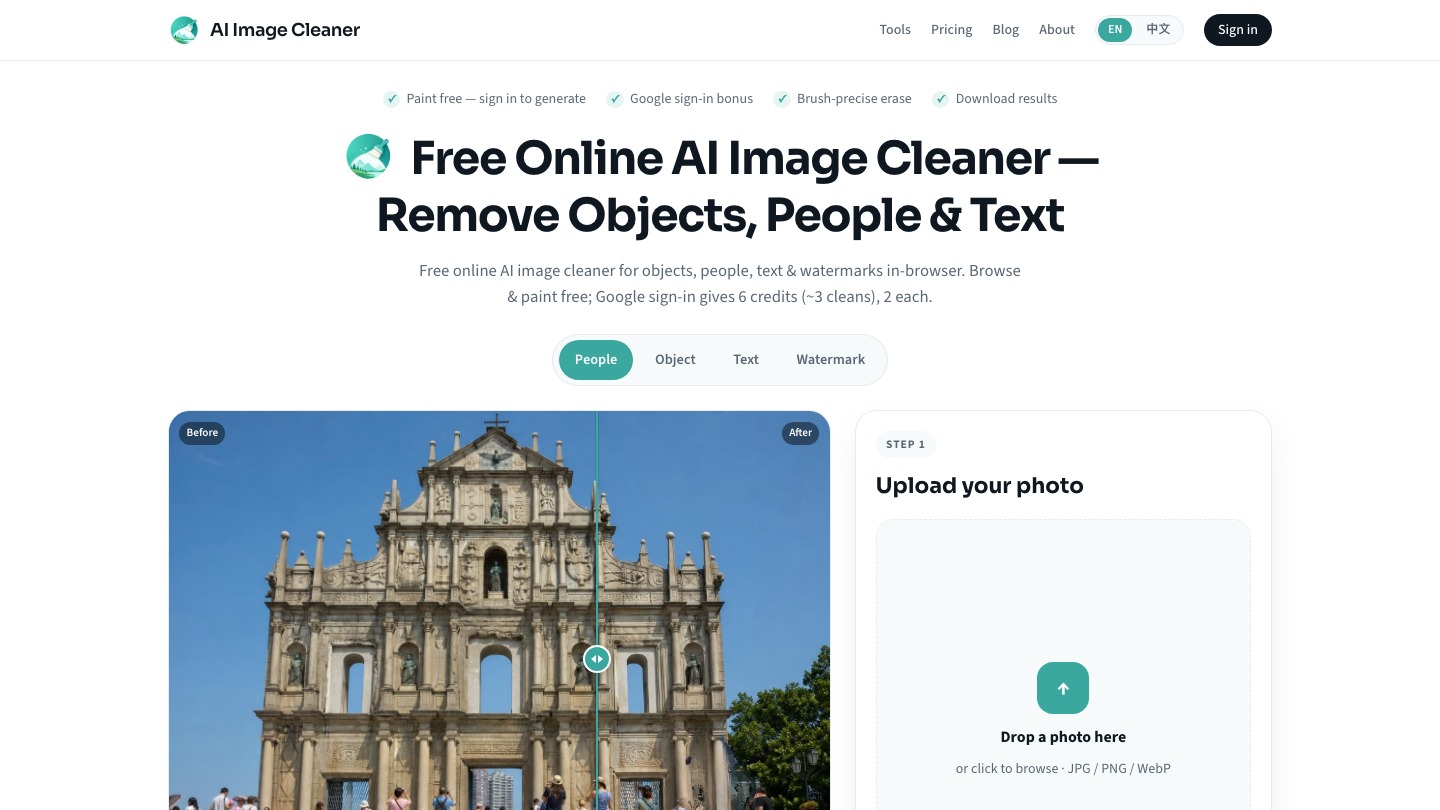
AI Image Cleaner is a browser-based AI photo editor that helps sellers remove distracting objects or text from existing product photos.
Compatibility depends on the individual resource. A Shopify integration does not imply support for Amazon or WooCommerce, and some connections require a particular plan or extra setup. Check the tool's current documentation for supported platforms, regions, permissions, and actions. Prompts and skills also depend on the software used to run them.
Some tools offer a free plan or trial, often with usage or feature limits. Paid plans may charge by subscription, seat, conversation, task, or usage. Check the provider's current pricing and include integrations, model usage, setup, and review time. A free prompt or skill may still require paid software.
Some products can answer routine questions or complete defined support tasks automatically, depending on their integrations and permissions. Decide which cases can proceed and which need escalation, such as disputed charges or exceptions to store policy. Test accuracy, handoffs, and customer outcomes before expanding automation beyond the initial workflow.
Not always. Some hosted tools and prompts can be used through a web interface, while others need integrations, configuration, or technical setup. Skills may require a compatible agent and additional dependencies. Check the installation instructions, required access, and maintenance needs before deciding whether you can manage the resource yourself.
Choose AI agents across eight ecommerce workflows, compare recent changes and costs for the same workload, and use practical trials to prepare for 2027.
Start BFCM tracking with your store reports, GA4 and Microsoft Clarity. Follow simple setup steps, see your first data and check one shopping problem.
A practical way to compare AI product description generators using real product data, channel rules, batch output, and human QA.

Compare six tools, including Rebuy and LimeSpot, to find the right fit for your store. Then follow three setup examples covering product recommendations, cart rewards and promotion answers.